

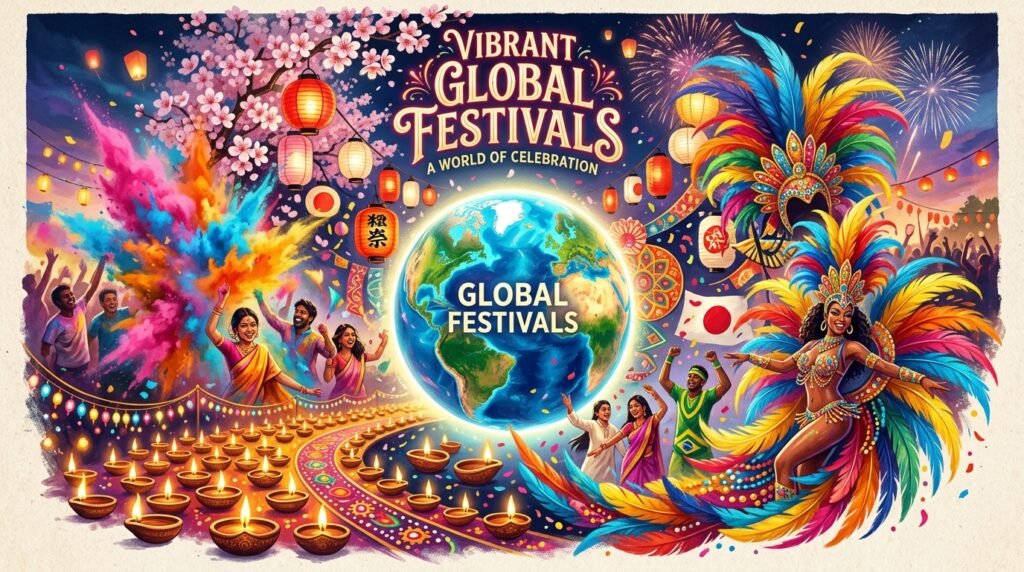
Every culture has a moment when ordinary life stops, and the streets fill with color, music, food, and shared joy. Festivals are how communities remember their history, honor their beliefs,s and welcome the changing seasons. They are also among the best reasons to travel.
If you are searching for famous festival names, this guide covers ten of the most iconic festivals around the world. For each one,n,e you will find where it began, when it happens, what people do, and why it matters. Whether you are planning a trip, writing a school project, or just curious about cultural celebrations, this list is a good place to start.
Quick Overview: Famous Festivals at a Glance
| Festival | Country | Typical Time of Year | Known For |
|---|---|---|---|
| Diwali | India | October–November | Lights and lamps |
| Holi | India, Nepal | March | Colored powder |
| Rio Carnival | Brazil | February–March | Samba parades |
| Oktoberfest | Germany | Late Sept–early Oct | Beer and folk culture |
| Día de los Muertos | Mexico | November 1–2 | Honoring ancestors |
| Chinese New Year | China | January–February | Lanterns and dragons |
| Eid al-Fitr | Worldwide | After Ramadan | Prayer, charity, feasts |
| La Tomatina | Spain | Late August | Tomato fight |
| Songkran | Thailand | April 13–15 | Water splashing |
| Hanami | Japan | March–April | Cherry blossoms |
1. Diwali: The Festival of Lights (India)
Diwali is one of the most widely celebrated traditional festivals on Earth. Observed over five days in October or November, it marks the triumph of light over darkness and good over evil.
Many Hindus link it to Lord Rama’s return to Ayodhya after defeating the demon king Ravana, and the goddess Lakshmi, who stands for wealth and prosperity, is worshipped at this time. Jains, Sikhs, and some Buddhist communities also celebrate in their own ways.
What to expect:
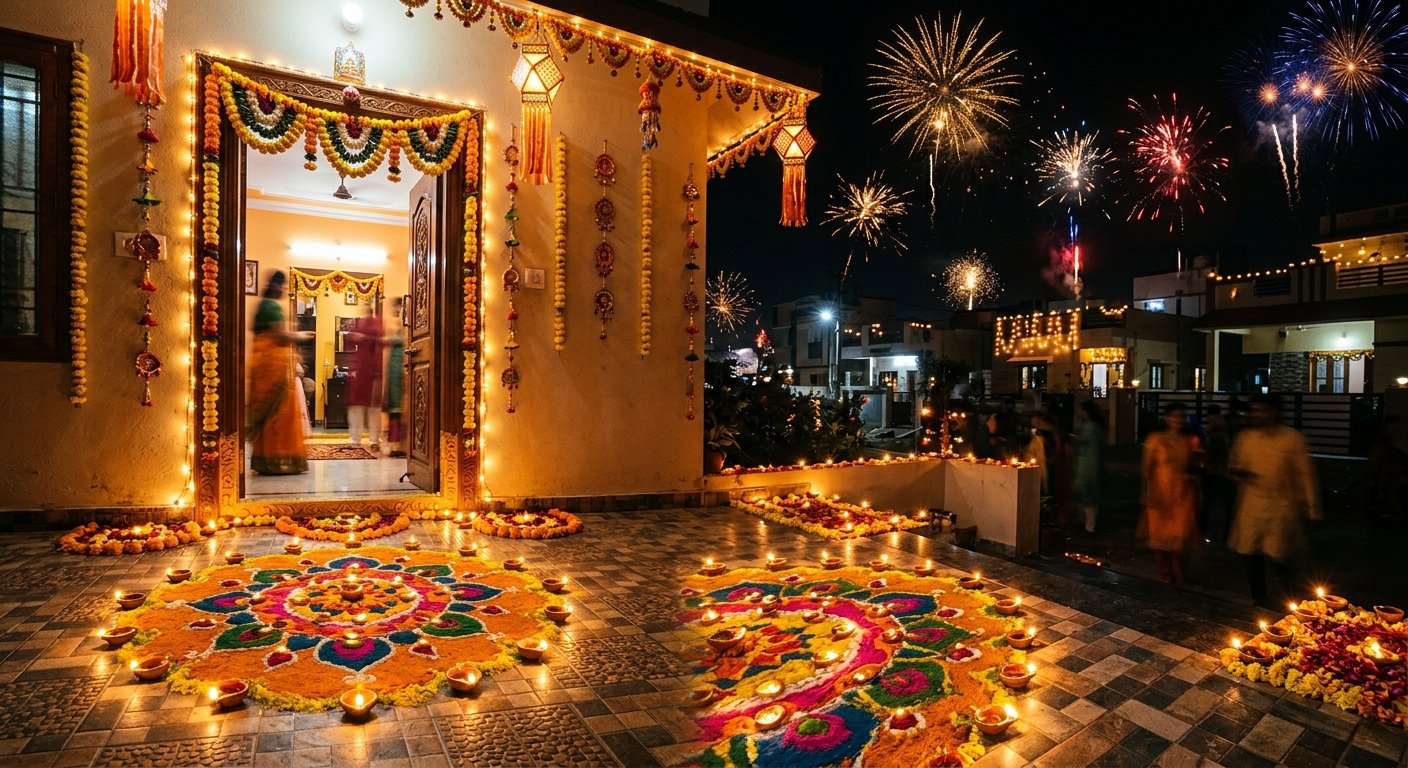
- Rows of clay lamps (diyas) lit outside homes
- Colorful rangoli patterns at doorways
- Fireworks, sweets and gift exchanges
- Family prayers and new clothes
If you want to see Diwali at its most spectacular, cities like Varanasi, Jaipur and Amritsar glow beautifully at night.
2. Holi: The Festival of Colors (India and Nepal)
Holi arrives in March, around the full moon in the month of Phalguna, and it is probably the most photographed of all Indian festivals. People throw colored powder and spray water at each other, and for a day social barriers seem to melt away.
The festival is tied to the story of Prahlad and Holika, which again celebrates good defeating evil. The evening before the color play, communities light bonfires in a ritual called Holika Dahan.
Highlights:
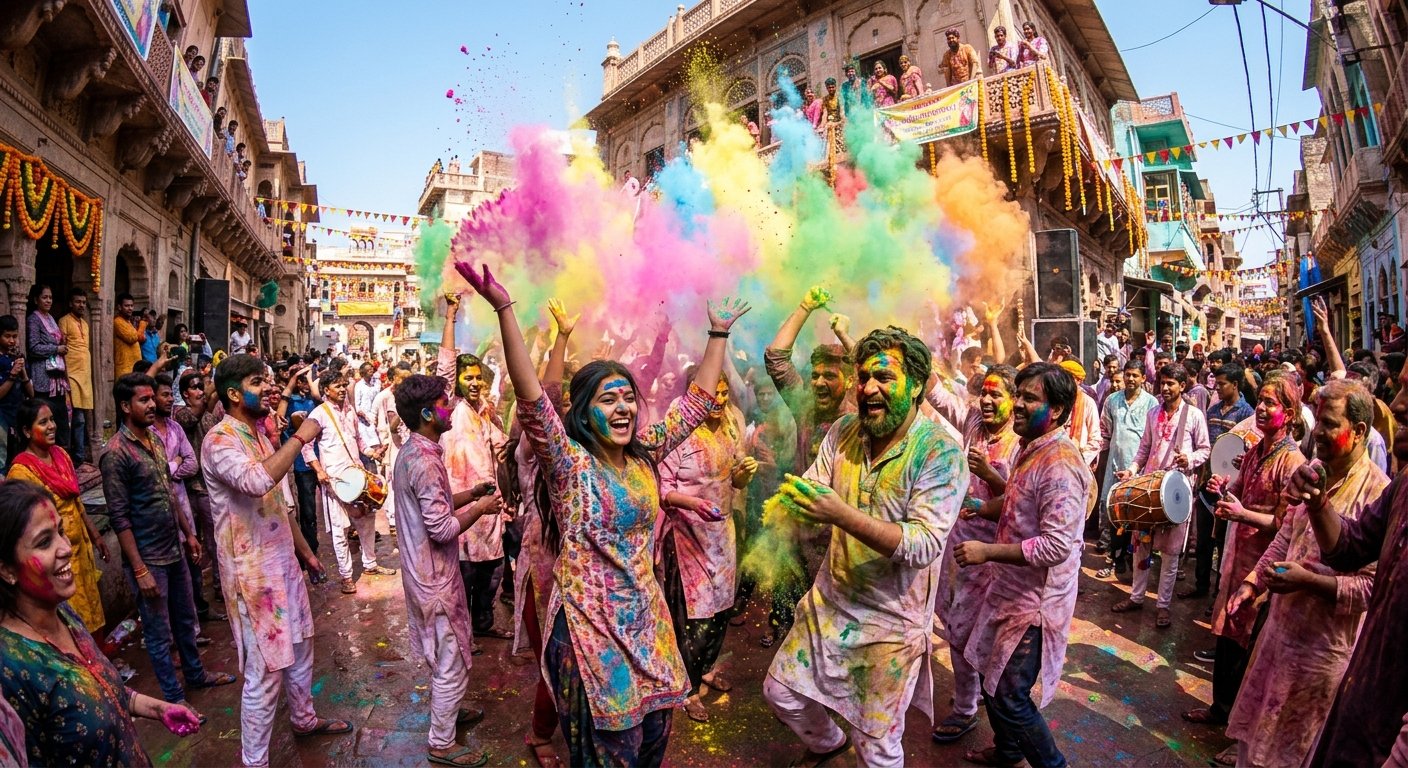
- Bright gulal powder thrown in the streets
- Traditional sweets such as gujiya
- Music, dancing,g and shared meals
- A spirit of forgiveness and new beginnings
Wear old clothes, protect your phone from water, er and use skin-safe colors if you join in.
3. Rio Carnival: The World’s Biggest Party (Brazil)
Held in the days before Lent, the Rio Carnival is often called the largest carnival in the world. Samba schools spend months preparing elaborate floats, costumes, and choreography, then compete in a grand parade at the Sambadrome.
Beyond the official parades, the city hosts hundreds of street parties known as blocos, where locals and visitors dance through neighborhoods to live music.
Why it stands out:
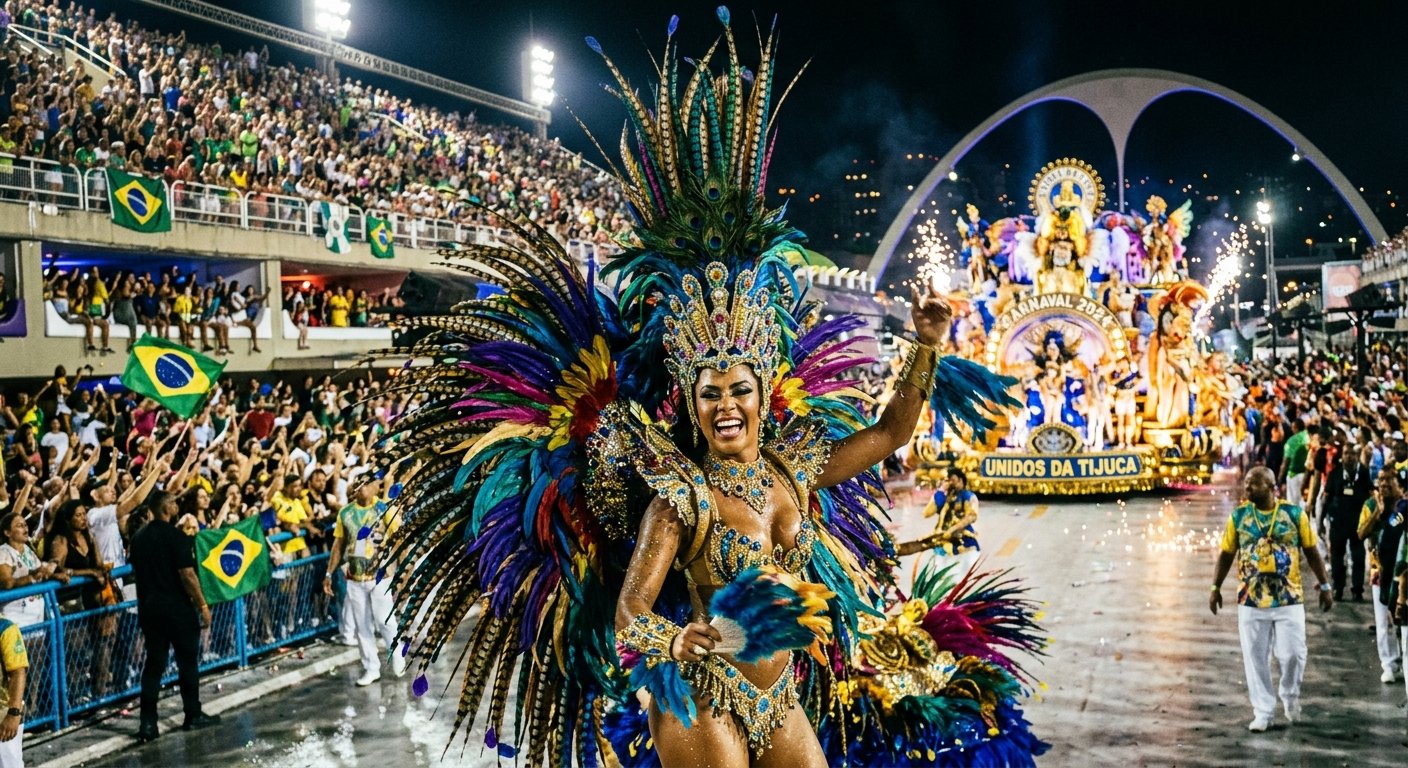
- Samba rhythm and drumming that fill the whole city
- Extravagant feathered costumes
- A mix of African, European, and Indigenous influences
- Millions of people joining the street celebrations
Book accommodation well in advance, since Carnival is the busiest period of the year in Rio de Janeiro.
4. Oktoberfest: Germany’s Legendary Folk Festival
Despite its name, Oktoberfest mostly takes place in late September and runs into the first days of October in Munich. It began in 1810 as a public celebration of the royal wedding of Crown Prince Ludwig and Princess Therese, and it has grown into the world’s largest folk festival, drawing millions of visitors.
Large tents serve Bavarian beer in one-liter mugs, while brass bands play and guests wear traditional clothing: lederhosen for men and dirndls for women.
What to enjoy:
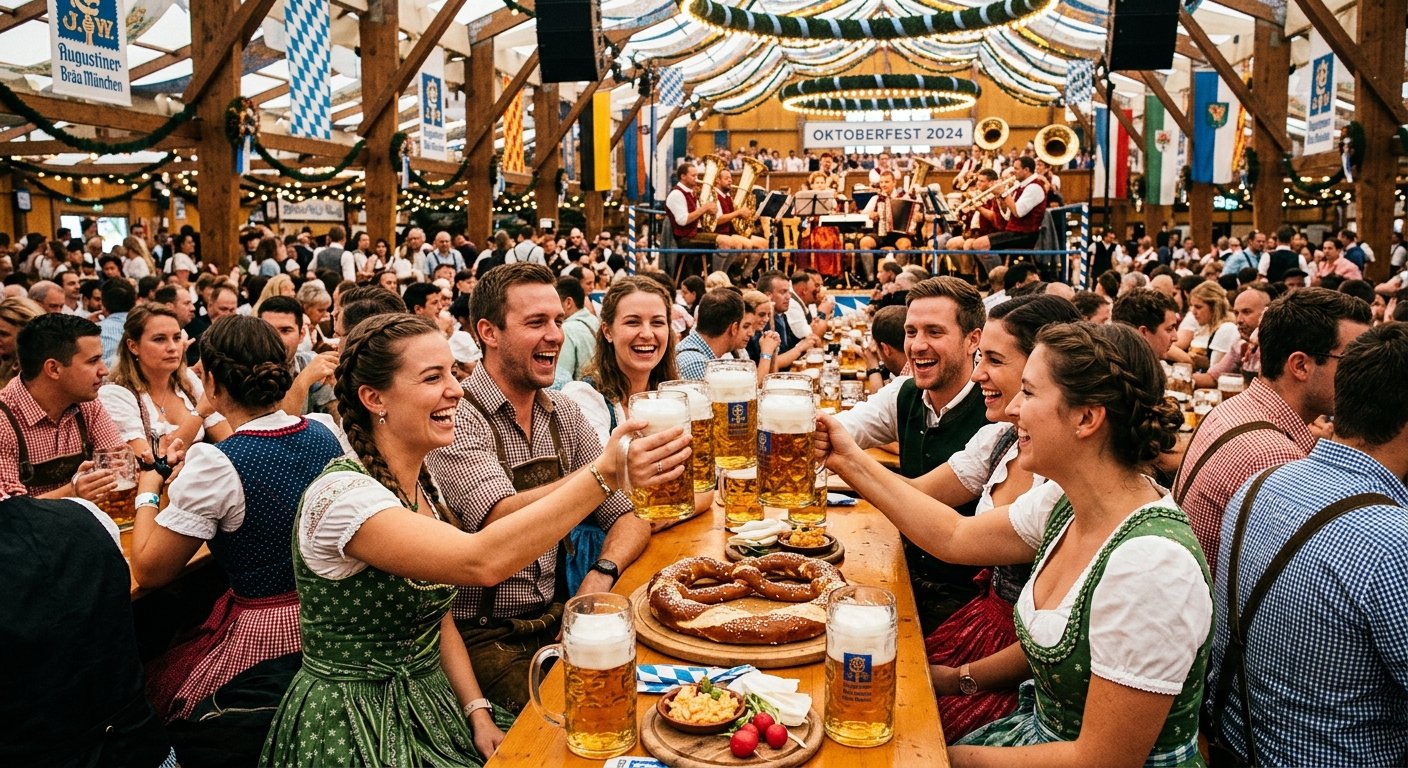
- Pretzels, roast chicken and sausages
- Amusement rides and parades
- Traditional music and long shared tables
- A friendly, communal atmosphere
Oktoberfest is among the best-known popular festivals in Europe, and the Munich original has inspired similar events across the globe.
5. Día de los Muertos: Day of the Dead (Mexico)
Often mistaken for a Mexican version of Halloween, Día de los Muertos is actually a warm, loving celebration of life and remembrance. Observed on November 1 and 2, it invites the spirits of departed relatives to return and visit.
Families build ofrendas (home altars) decorated with photographs, candles, favorite foods, and bright orange marigolds, whose scent is believed to guide souls home. Sugar skulls and pan de muerto, a sweet bread, are common treats.
Key traditions:
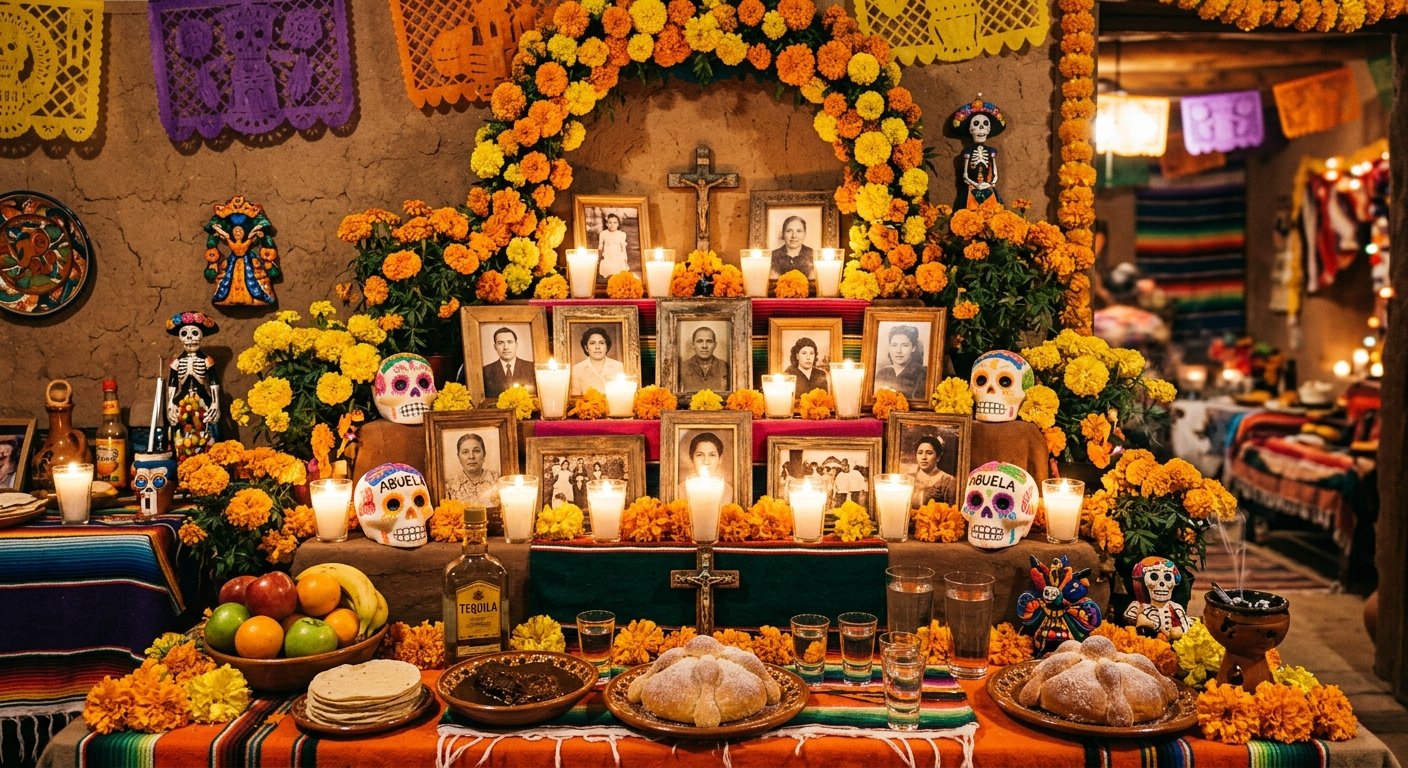
- Altars honoring loved ones
- Marigold flowers and candlelight
- Cemetery gatherings with food and music
- Face painting inspired by the elegant Catrina figure
UNESCO has recognized this tradition as part of humanity’s intangible cultural heritage, which reflects how deeply it matters to Mexican identity.
6. Chinese New Year: The Spring Festival (China and Beyond)
Chinese New Year follows the lunar calendar, so it falls between late January and mid-February. It is the most important holiday in Chinese culture and is celebrated across East and Southeast Asia and in Chinese communities worldwide.
Each year is linked to one of twelve zodiac animals. Families clean their homes to sweep away bad luck, gather for a reunion dinner,r and exchange red envelopes containing money. The celebrations end on the fifteenth day with the Lantern Festival.
Signature sights:
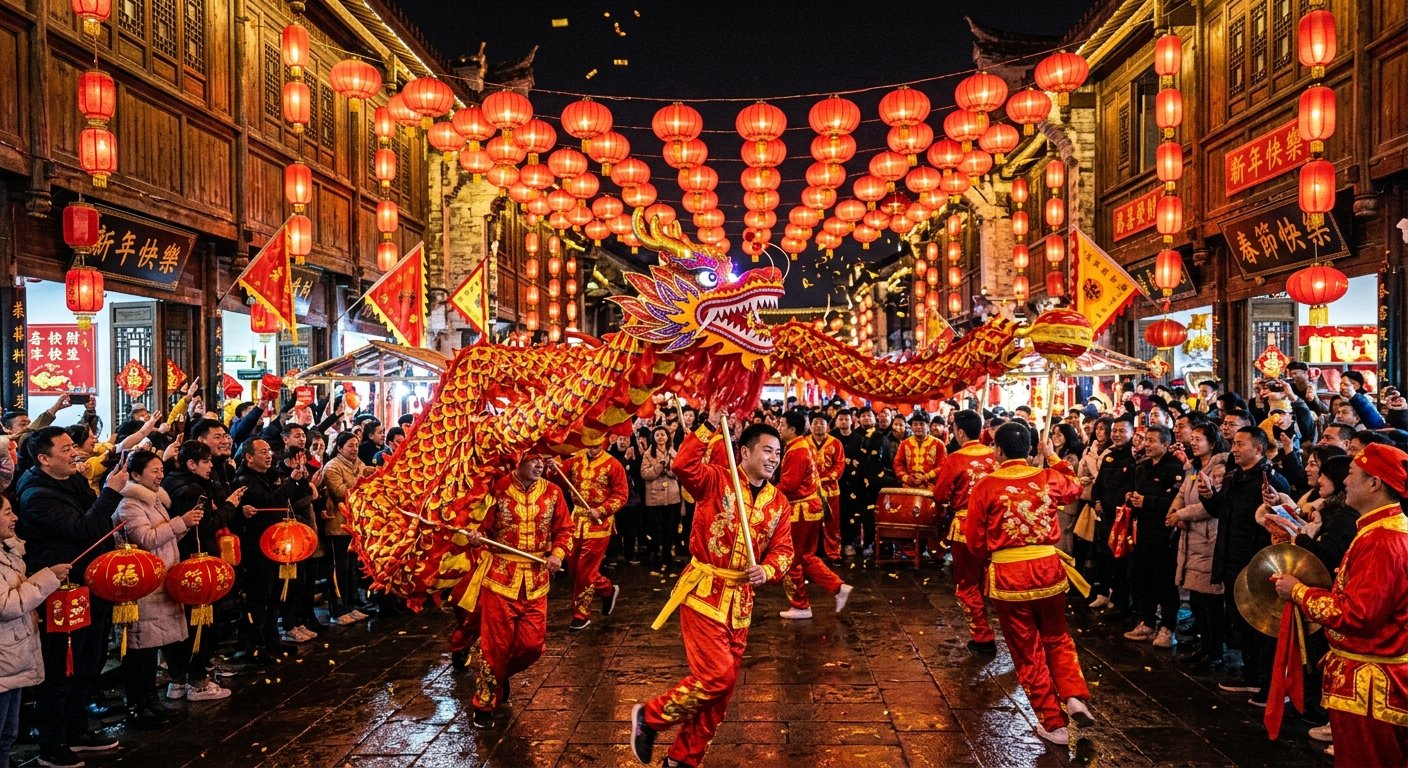
- Red decorations symbolizing luck and happiness
- Lion and dragon dances
- Fireworks and firecrackers
- Dumplings, fish and sticky rice cakes
The holiday triggers one of the largest annual human migrations on the planet, as millions travel home to be with family.
7. Eid al-Fitr: Celebrating the End of Ramadan (Worldwide)
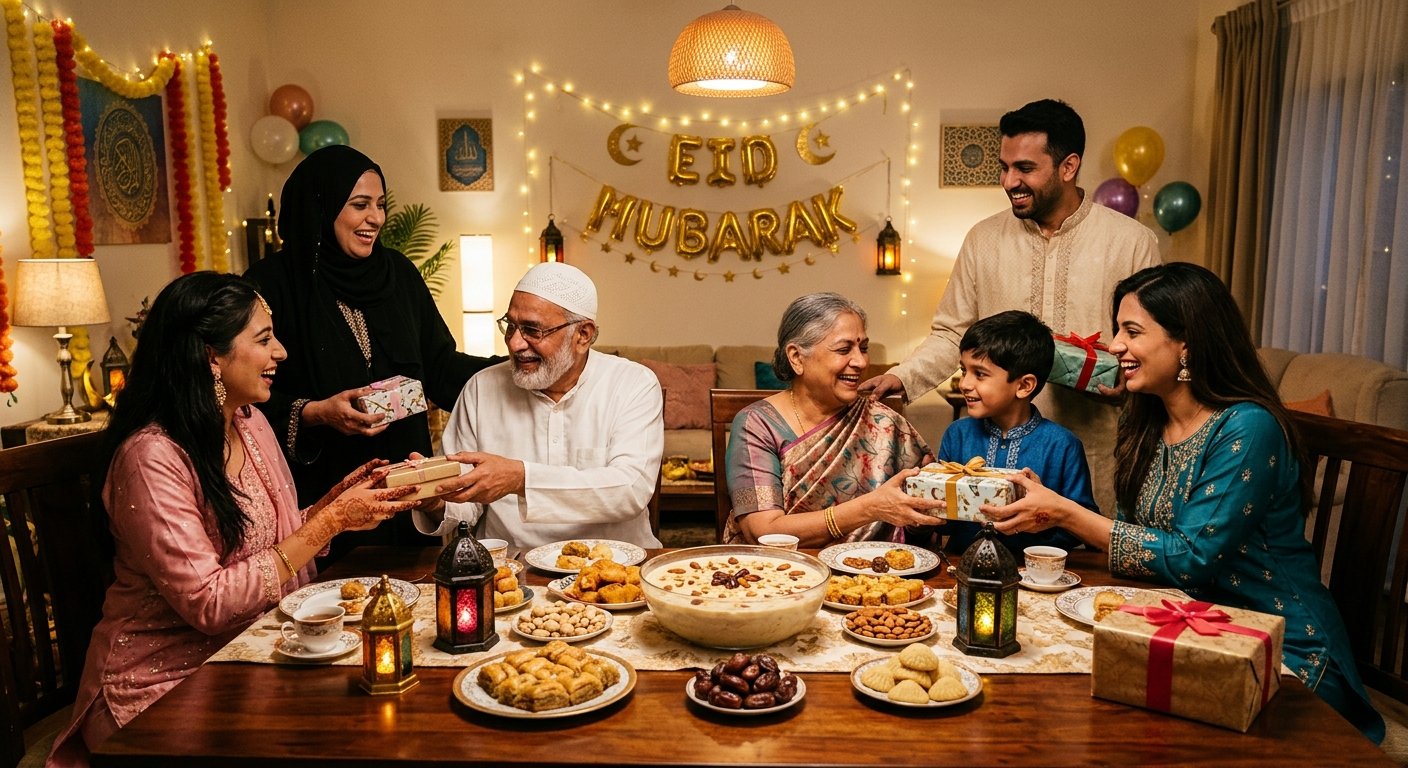
Eid al-Fitr marks the end of Ramadan, the Islamic month of fasting. Because it follows the lunar calendar, the date shifts each year and depends on the sighting of the new moon. It is celebrated by over a billion Muslims across the globe, from Pakistan and Indonesia to Egypt and Turkey.
The day begins with a special congregational prayer, followed by visits to relatives, new clothes, and plenty of food. Giving to those in need is central, and Muslims pay a charity called Zakat al-Fitr so everyone can take part in the joy.
Common customs:
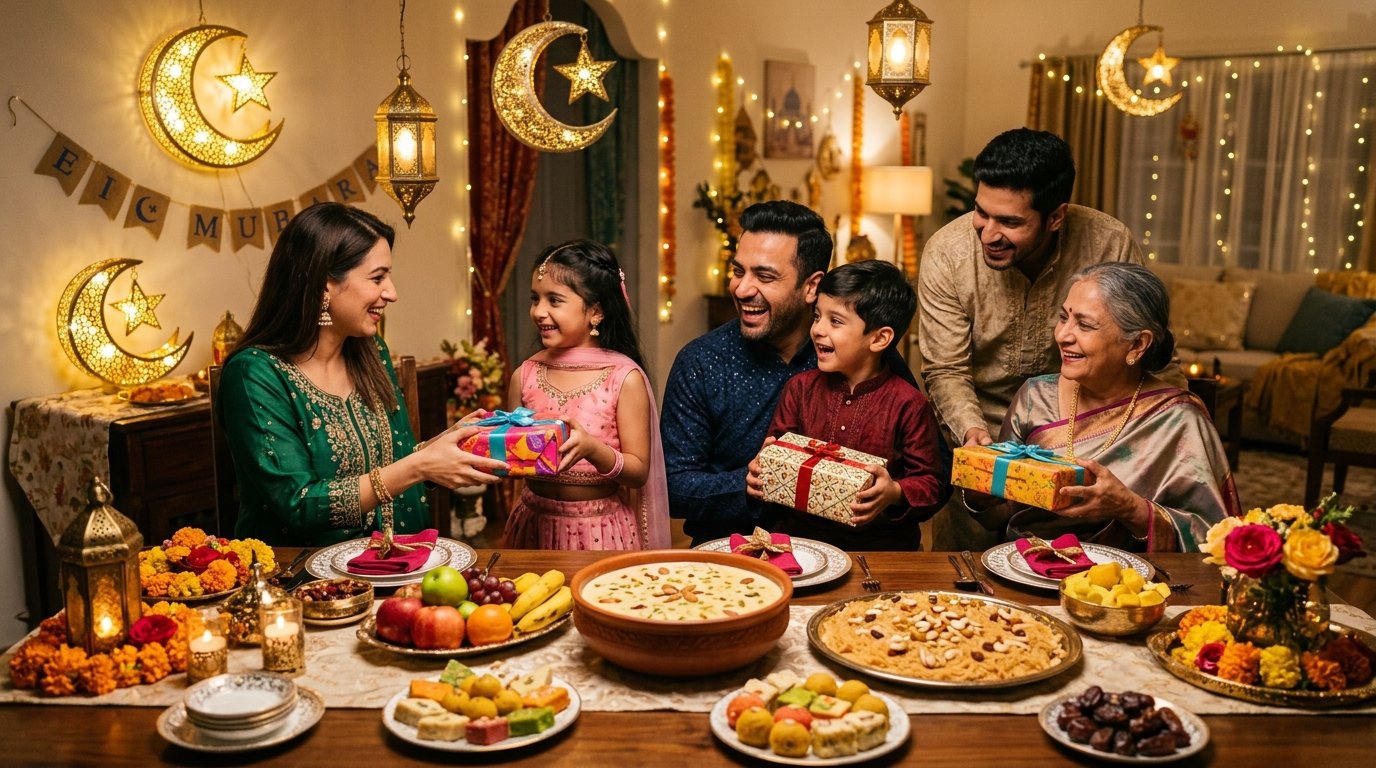
- Eid prayers in mosques or open grounds
- Sweet dishes such as sheer khurma and sewaiyan
- Gifts for children, often called Eidi
- Greetings of “Eid Mubarak”
Eid is a beautiful example of how faith, generosity,y and family come together in one celebration.
8. La Tomatina: The Tomato Fight (Spain)
On the last Wednesday of August, the small town of Buñol near Valencia turns into a sea of red as thousands of people throw ripe tomatoes at one another. The tradition is generally traced back to 1945, and it started, according to popular accounts, as a spontaneous food fight among locals.
Today it is organized with rules: tomatoes must be squashed before throwing, and participants wear protective eyewear. The fight lasts about an hour and is followed by a cleanup in which fire trucks hose down the streets.
Good to know:
- Entry is ticketed to keep numbers safe
- Wear old clothes and closed shoes
- Tomatoes used are overripe and not meant for eating
- The town is also known for its week of music and fireworks
It may be messy, but it is one of the most joyful world festivals you can attend.
9. Songkran: Thailand’s Water Festival
Songkran is the traditional Thai New Year, celebrated from April 13 to 15 during the hottest season of the year. It began as a gentle ritual of pouring scented water over Buddha statues and the hands of elders to show respect and ask for blessings.
Over time, it has turned into a nationwide water fight. In cities like Chiang Mai and Bangkok, streets fill with people armed with buckets and water guns, and the cooling splashes are a welcome break from the heat.
What you will see:
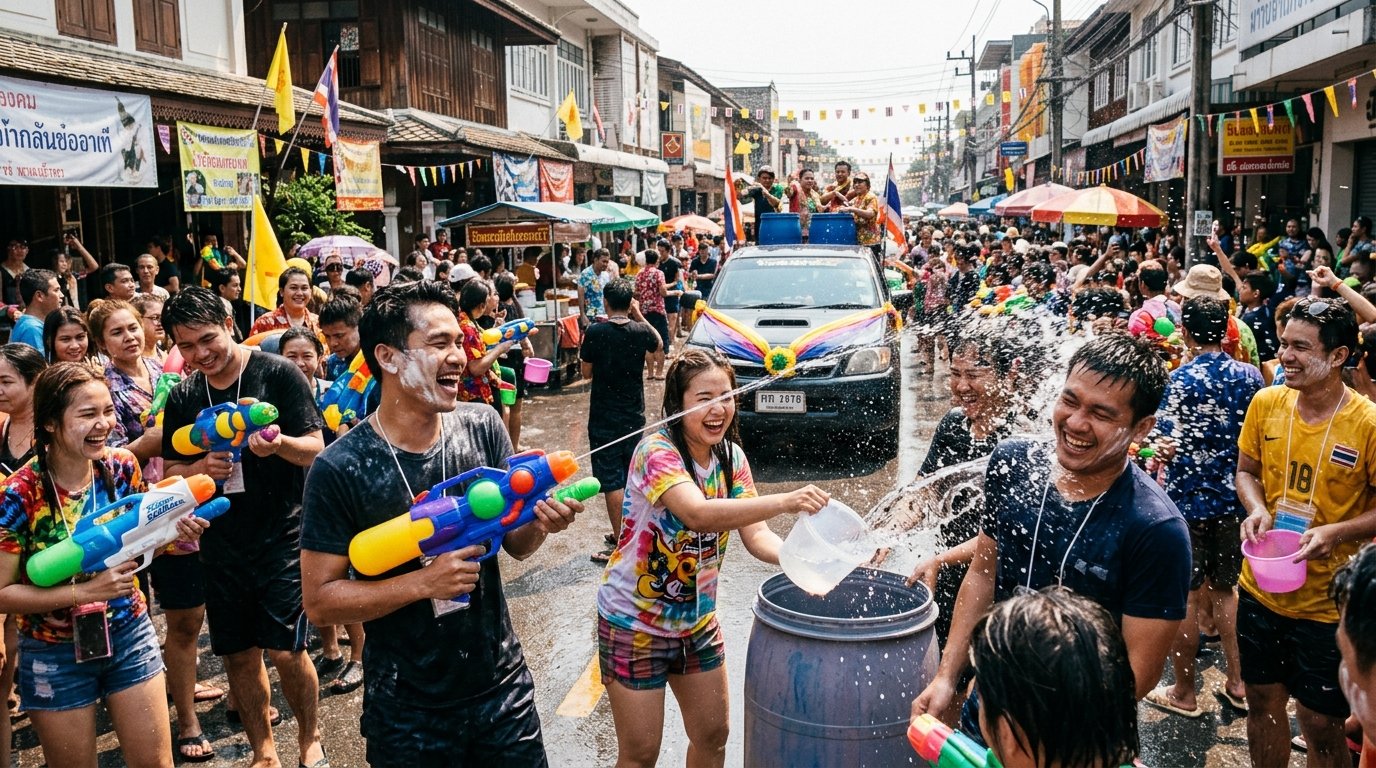
- Temple visits and merit-making
- Respectful water pouring on elders’ hands
- Joyful street water fights
- Sticky rice, mango and local street food
Songkran blends spirituality with fun in a way that is uniquely Thai, and it has been recognized by UNESCO as part of the world’s intangible cultural heritage.
10. Hanami: Cherry Blossom Viewing (Japan)
Hanami, literally “flower viewing,” is the Japanese custom of enjoying the short-lived beauty of cherry blossoms, called sakura. Blooms usually appear between late March and early April, moving from south to north across the country.
Families, friends and coworkers gather under blooming trees in parks such as Ueno Park in Tokyo or Maruyama Park in Kyoto. They spread out blankets, share food and drinks, and spend the afternoon together, sometimes continuing into the evening beneath lanterns.
Why it is special:
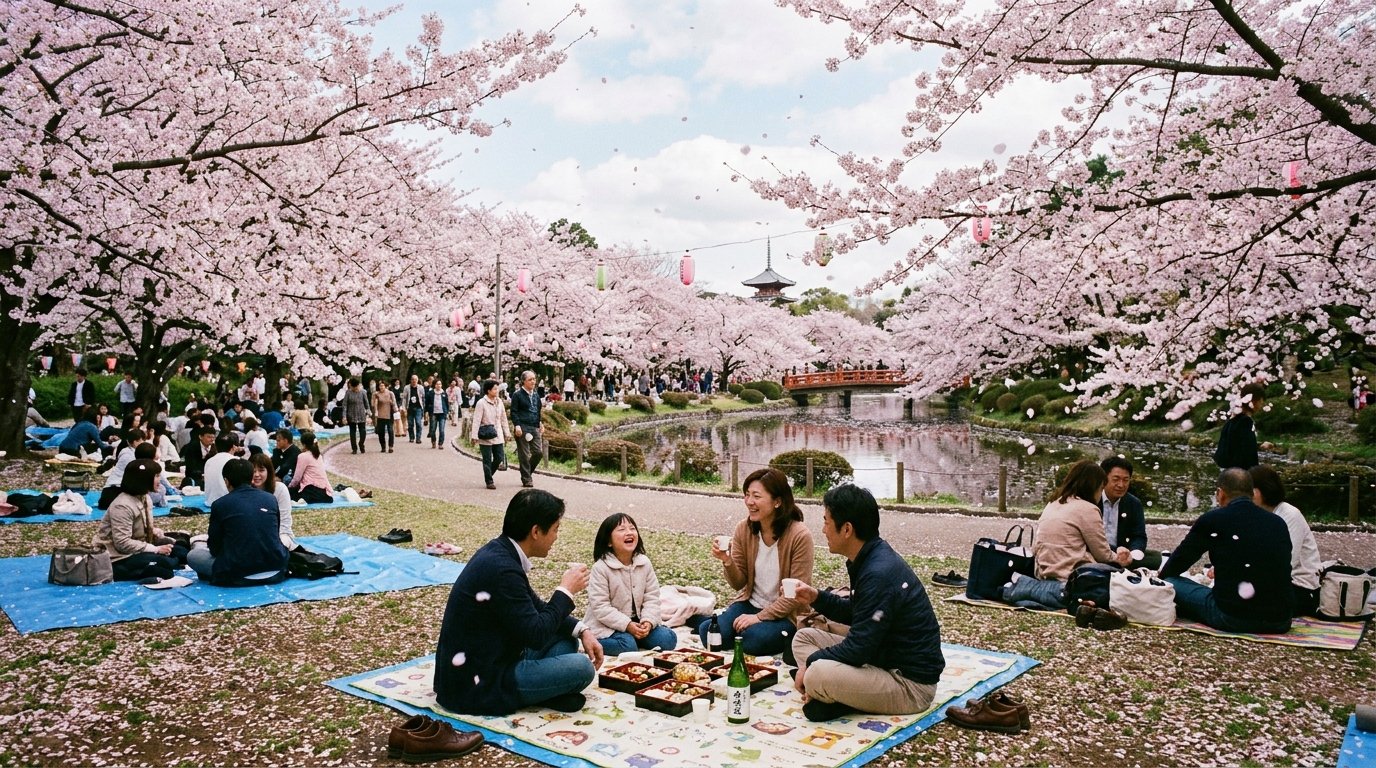
- The blossoms last only about a week or two
- It reflects the Japanese idea that beauty is fleeting
- Seasonal snacks such as sakura mochi are popular
- Forecasts are followed closely on the news
Hanami reminds us to slow down and appreciate the present moment.
Tips for Experiencing Festivals Around the World
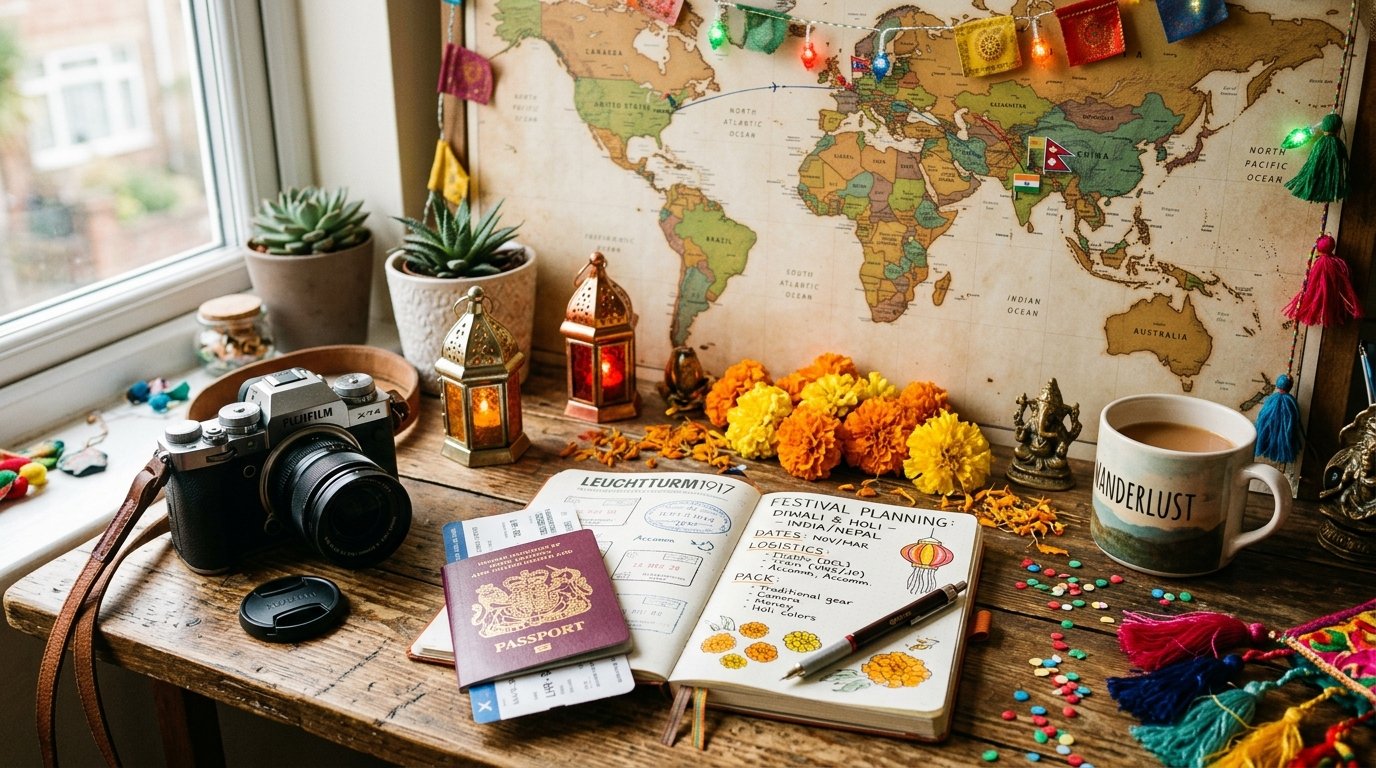
- Plan early. Flights and hotels near major festivals sell out months ahead.
- Respect local customs. Learn the dress code, etiquette,e and meaning behind each event.
- Stay safe. Keep valuables secure and follow official guidance in large crowds.
- Check the dates. Festivals based on lunar calendars, like Eid and Chinese New Year, change every year.
- Try local food. Festival dishes often carry symbolic meaning.
Frequently Asked Questions
What are the most famous festivals in the world?
Diwali, Holi, the Rio Carnival, Oktoberfest, Día de los Muertos, Chinese New Year, Eid al-Fitr, La Tomatina, Songkran and Hanami are among the most widely recognized festivals globally.
Which festival is known as the Festival of Lights?
Diwali, celebrated mainly in India, is called the Festival of Lights.
Which festival involves throwing colors?
Holi, celebrated in India and Nepal, is famous for colored powder and water.
Which is the biggest carnival in the world?
The Rio Carnival in Brazil is generally considered the largest.
When is Songkran celebrated?
Songkran takes place every year from April 13 to 15 in Thailand.
Why do festival dates change every year?
Many festivals follow lunar or lunisolar calendars, so their dates shift compared to the standard Gregorian calendar.
Conclusion
These famous festival names show how differently people express joy, gratitude, and belonging. Diwali fills the night with lamps, Holi paints the streets, Oktoberfest brings strangers to one table, and Hanami quietly celebrates the passing of the seasons. Different as they are, they share one thing: they bring people together.
