

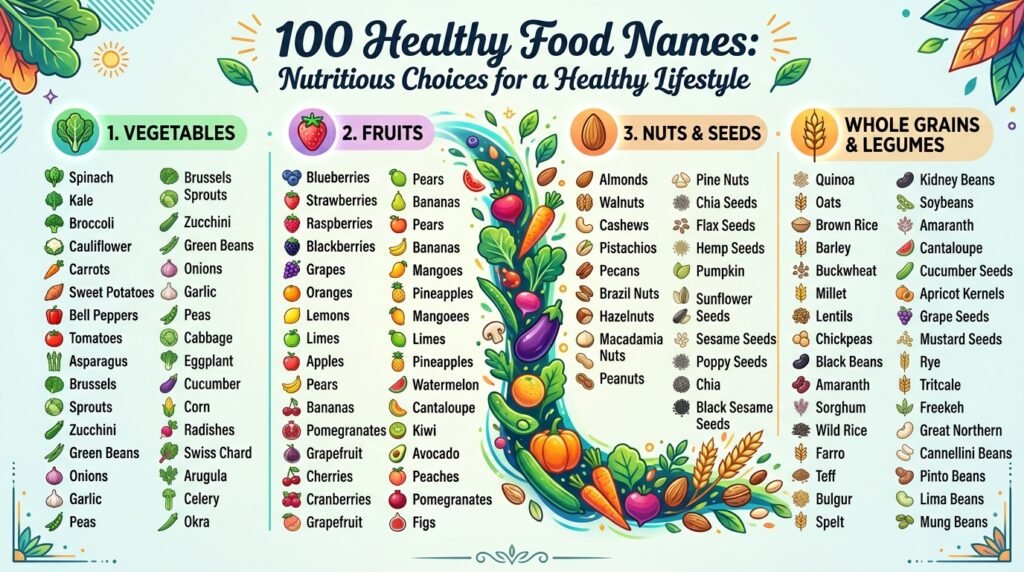
Losing weight does not have to mean starving yourself or eating bland meals. The most reliable approach is to fill your plate with foods that are rich in nutrients, high in fiber or protein, and naturally low in calorie density. These foods keep you full longer, steady your energy, and make healthy eating feel enjoyable rather than restrictive.
This guide lists 100 foods for weight loss, grouped by category so you can mix and match them into balanced meals. Whether you are just starting or refreshing a diet you already follow, you will find practical choices for breakfast, lunch, dinner, and snacks.
How These Foods Support Weight Loss
Weight loss comes down to eating slightly fewer calories than your body uses, but the quality of those calories matters. Foods in this list help in four main ways:
- Fiber slows digestion and keeps hunger away.
- Protein protects muscle and increases fullness.
- Water-rich foods add volume to meals with few calories.
- Healthy fats improve satisfaction and help you absorb vitamins.
No single food burns fat on its own. The results come from the overall pattern of what you eat, day after day.
Vegetables: The Foundation of Every Plate
Non-starchy vegetables are low in calories and high in fiber, so you can eat generous portions.
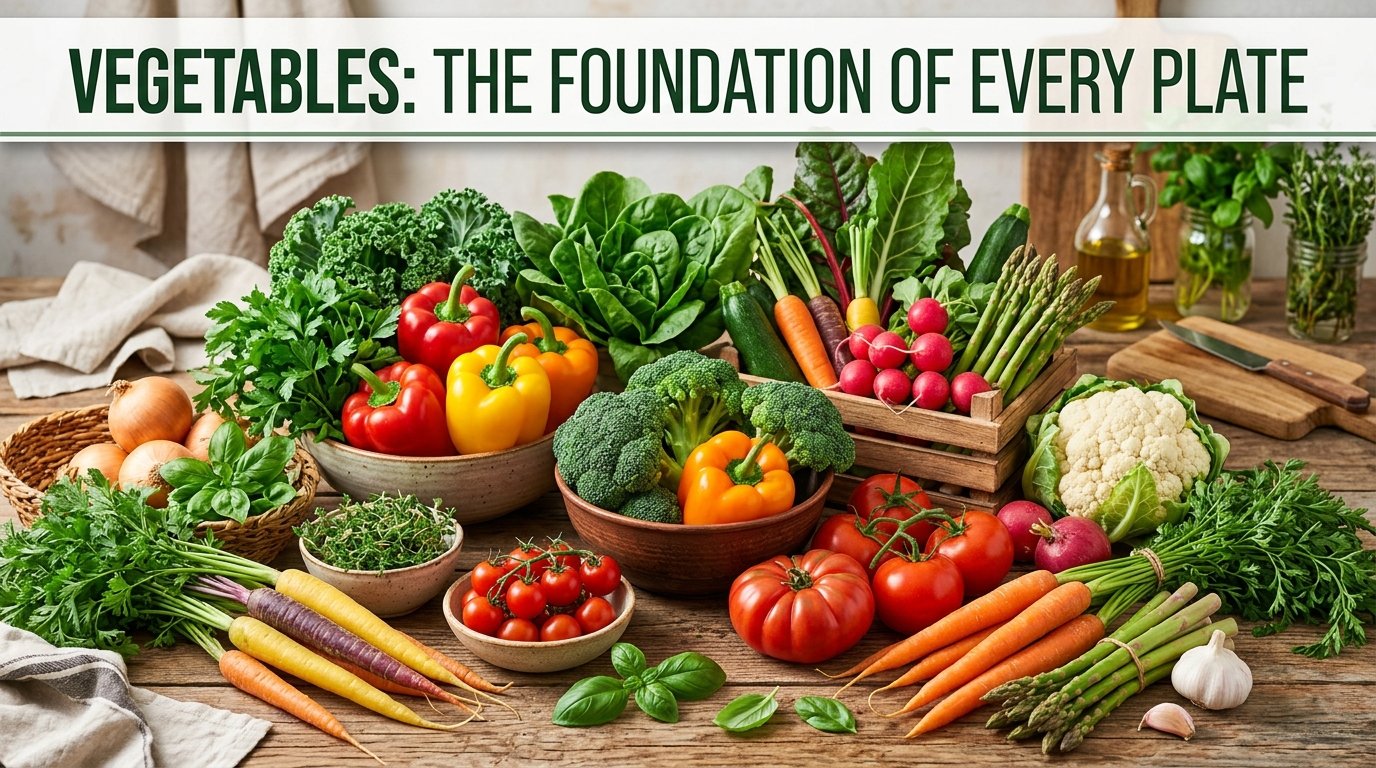
- Spinach: Very low in calories and packed with iron and vitamin K.
- Kale: A fiber-rich leafy green that works in salads and soups.
- Broccoli: High in fiber and vitamin C, with a filling crunch.
- Cauliflower: A versatile low-carb swap for rice or mash.
- Cabbage: Cheap, bulky, and very low in calories.
- Brussels sprouts: Fiber and protein for a vegetable.
- Cucumber: Around 95 percent water, ideal for hydration.
- Celery: A crunchy, near-zero-calorie snack.
- Zucchini: Mild and easy to turn into noodles.
- Bell peppers: Sweet, colorful, and rich in vitamin C.
- Tomatoes: Low in calories with the antioxidant lycopene.
- Carrots: Naturally sweet and full of beta-carotene.
- Asparagus: A light, natural diuretic vegetable.
- Green beans: Fiber-rich and good in stir-fries.
- Mushrooms: Savory, meaty texture with very few calories.
- Lettuce: The classic base for filling salads.
- Radish: Peppery, crisp, and hydrating.
- Eggplant: Soaks up flavor and adds bulk to curries.
- Bottle gourd (lauki): Light, water-rich, and easy to digest.
- Bitter gourd (karela): Traditionally valued for its nutrients and low calories.
Fruits: Sweet Satisfaction With Fiber
Whole fruits satisfy sugar cravings while delivering vitamins and fiber. Choose whole fruit over juice.
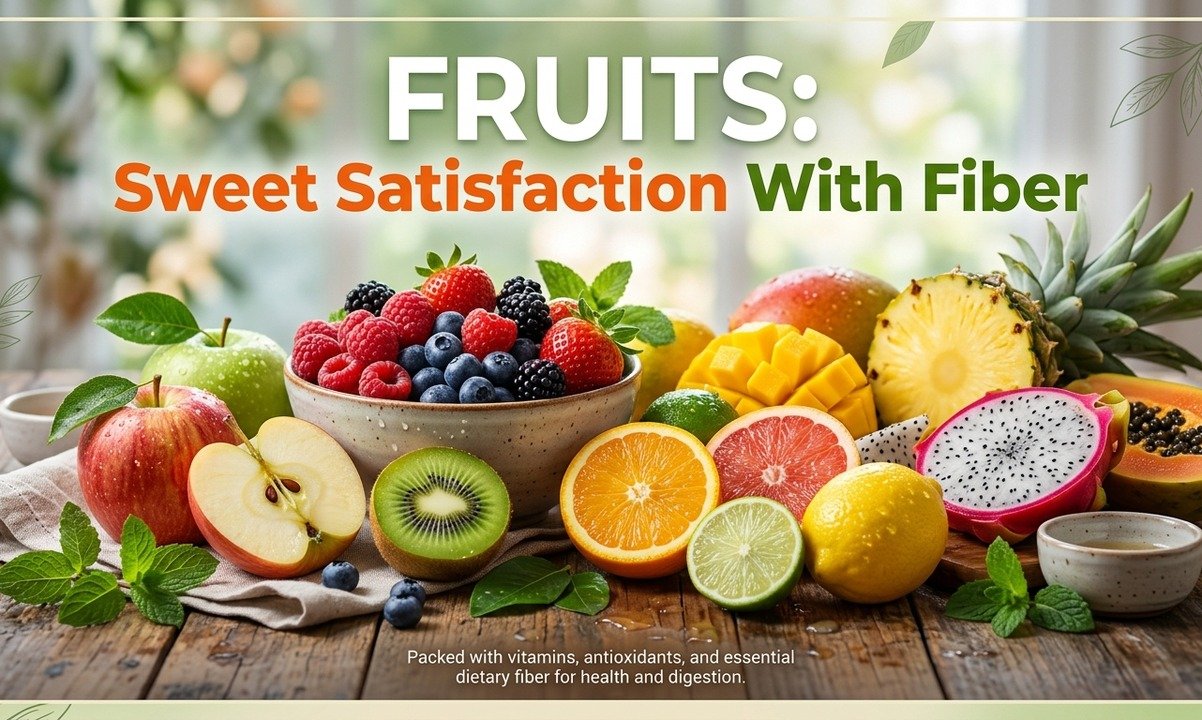
- Apples: Fiber and water make them very filling.
- Pears: High in fiber, especially with the skin on.
- Strawberries: Sweet but low in sugar and calories.
- Blueberries: Loaded with antioxidants.
- Raspberries: One of the highest-fiber fruits.
- Grapefruit: A classic diet fruit rich in vitamin C.
- Oranges: Juicy, filling, and full of vitamin C.
- Kiwi: Fiber and vitamin C in a small package.
- Watermelon: Mostly water, refreshing and light.
- Papaya: Gentle on digestion with natural enzymes.
- Guava: Exceptionally high in fiber and vitamin C.
- Peaches: Low in calories with a satisfying sweetness.
- Pomegranate: Antioxidant-rich seeds that make a great snack.
- Bananas: Filling and good for pre-workout energy when portioned sensibly.
- Cantaloupe: Hydrating and low in calories.
Lean Proteins: Build Fullness and Protect Muscle
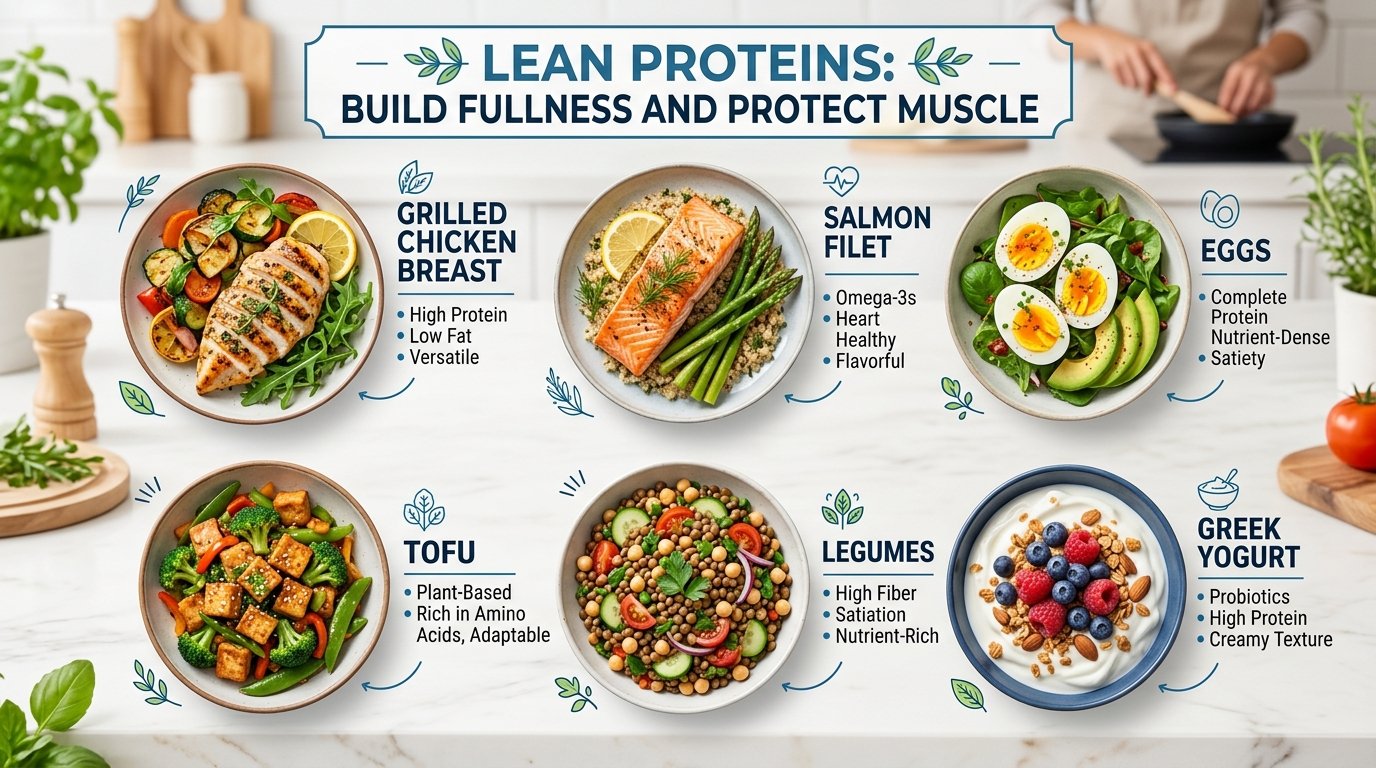
Protein is the most filling nutrient, and it helps you keep muscle while losing fat.
- Chicken breast: Lean, versatile, and high in protein.
- Turkey breast: Another lean, low-fat option.
- Eggs: Affordable, filling, and great at breakfast.
- Egg whites: Pure protein with almost no fat.
- Salmon: Rich in omega-3 fats and protein.
- Tuna: High protein, low calorie, and convenient.
- Sardines: Omega-3s, calcium, and protein together.
- Shrimp: Very lean and quick to cook.
- Cod: Mild white fish with minimal fat.
- Tilapia: Budget-friendly lean fish.
- Trout: Healthy fats with a delicate flavor.
- Tofu: Plant protein that absorbs any seasoning.
- Tempeh: Fermented soy with protein and fiber.
- Edamame: Young soybeans with protein and fiber.
- Lean beef: Trimmed cuts offer iron and protein in moderate portions.
Legumes and Whole Grains: Slow-Burning Energy
Unlike refined carbs, these foods digest slowly and prevent energy crashes.
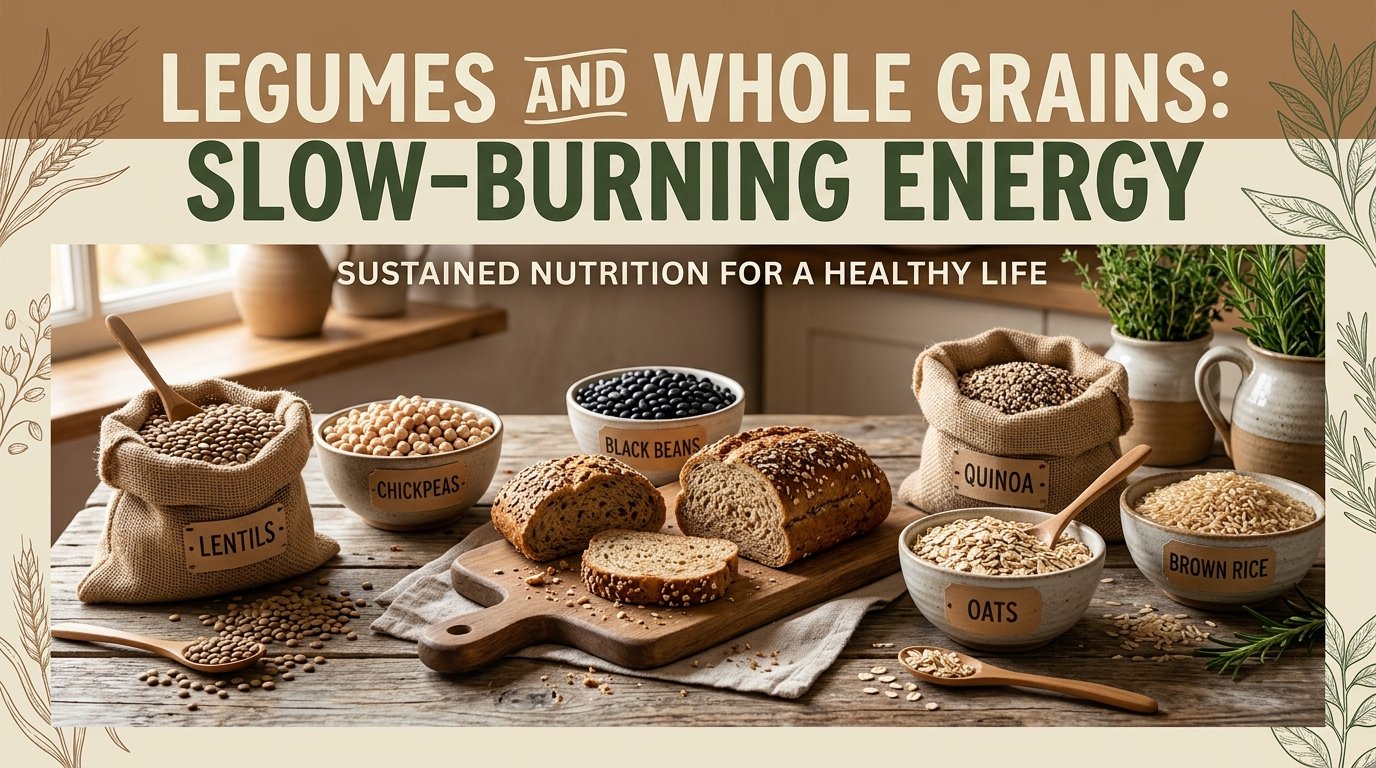
- Lentils: Protein and fiber for very little cost.
- Chickpeas: Great in salads, curries, and hummus.
- Black beans: Fiber-dense and very filling.
- Kidney beans: A hearty staple for stews and curries.
- Mung beans: Light, easy to digest, and nutritious.
- Green peas: Surprisingly high in protein and fiber.
- Oats: Their beta-glucan fiber keeps you full all morning.
- Quinoa: A complete plant protein grain.
- Brown rice: More fiber than white rice.
- Barley: One of the most filling whole grains.
- Buckwheat: Gluten-free and nutrient-rich.
- Millet: A light, easy-to-digest grain.
- Whole wheat: Use it for roti, bread, or pasta.
- Bulgur: Quick-cooking cracked wheat with plenty of fiber.
- Popcorn (air-popped): A high-volume, whole-grain snack.
- Sweet potatoes: Fiber-rich and naturally sweet.
- Pearl millet (bajra): A traditional, fiber-heavy grain.
Dairy and Dairy Alternatives
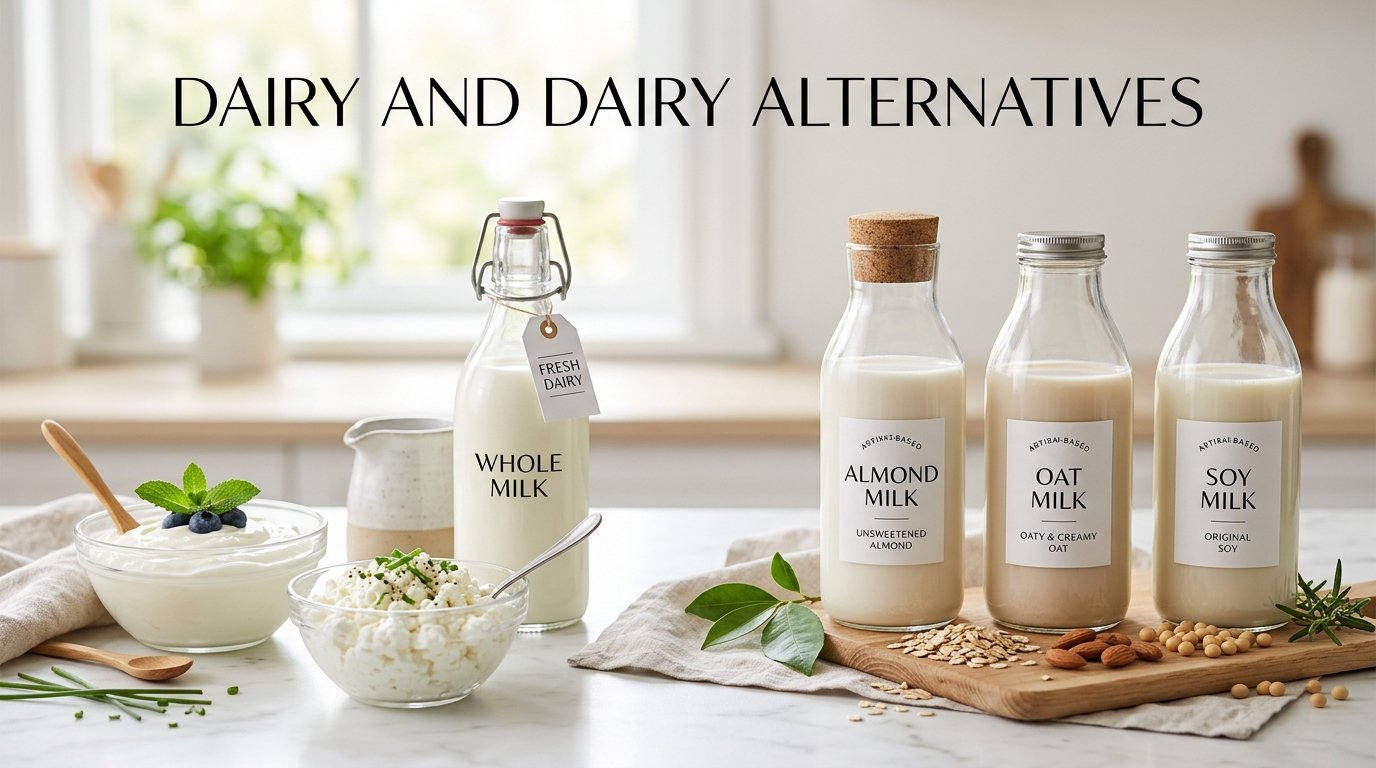
Choose unsweetened and lower-fat versions to keep calories in check.
- Greek yogurt: Thick, high in protein, and great with fruit.
- Plain yogurt: Supports gut health.
- Low-fat milk: Protein and calcium without excess fat.
- Cottage cheese: Very high in protein.
- Kefir: A probiotic-rich fermented drink.
- Buttermilk (chaas): Cooling, light, and filling.
- Paneer: A good vegetarian protein when eaten in sensible portions.
- Unsweetened soy milk: A protein-rich dairy-free option.
Nuts, Seeds, and Healthy Fats
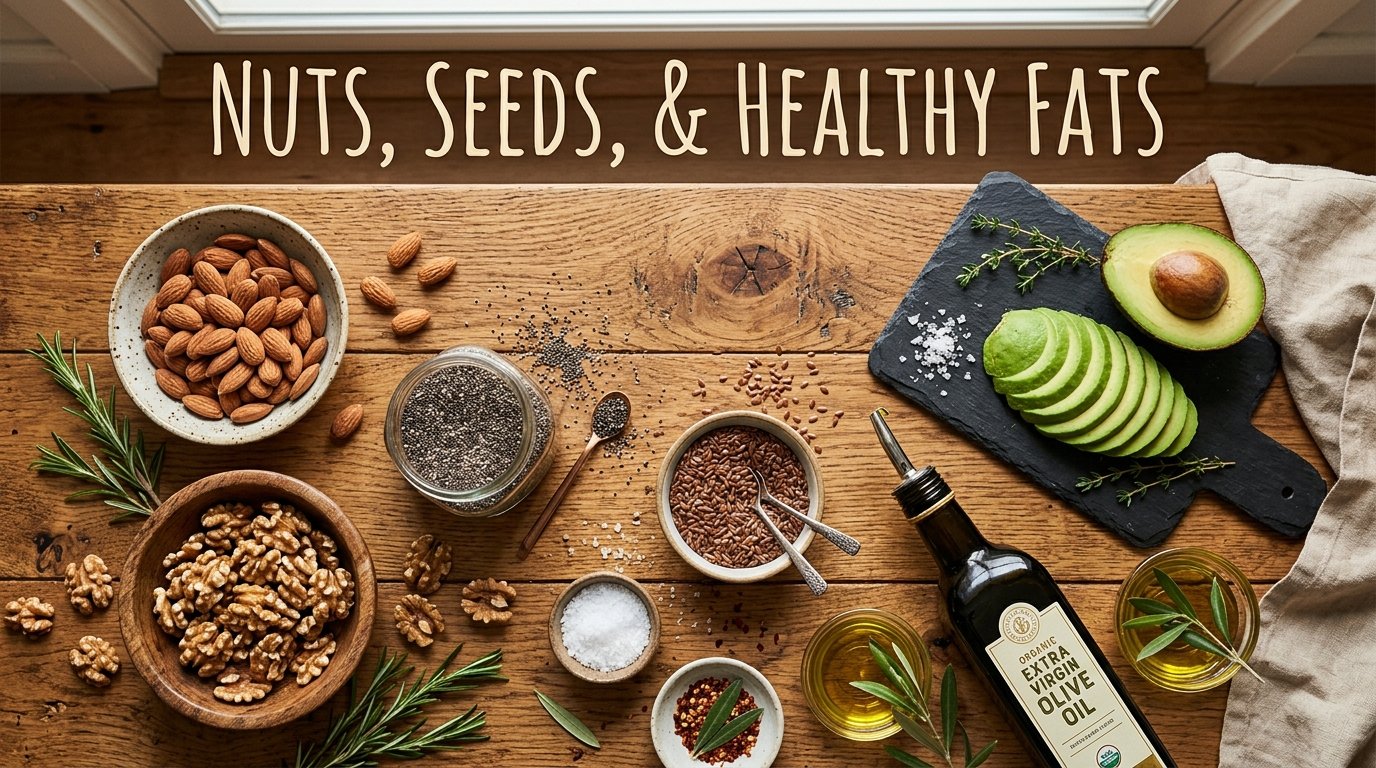
These are calorie-dense, so keep portions small, but they greatly improve satisfaction.
- Almonds: Protein, fiber, and vitamin E in a handful.
- Walnuts: Plant-based omega-3 fats.
- Pistachios: Shelling them slows eating down.
- Chia seeds: Swell in liquid and create lasting fullness.
- Flaxseeds: Fiber and lignans, best when ground.
- Hemp seeds: A good source of plant protein.
- Pumpkin seeds: Magnesium, zinc, and protein.
- Sunflower seeds: A crunchy topping for salads and yogurt.
- Avocado: Healthy fats and fiber that curb hunger.
- Olives: A savory snack with heart-friendly fats.
- Extra virgin olive oil: Best used in small amounts for cooking and dressing.
- Natural peanut butter: Choose versions with no added sugar.
Drinks That Help
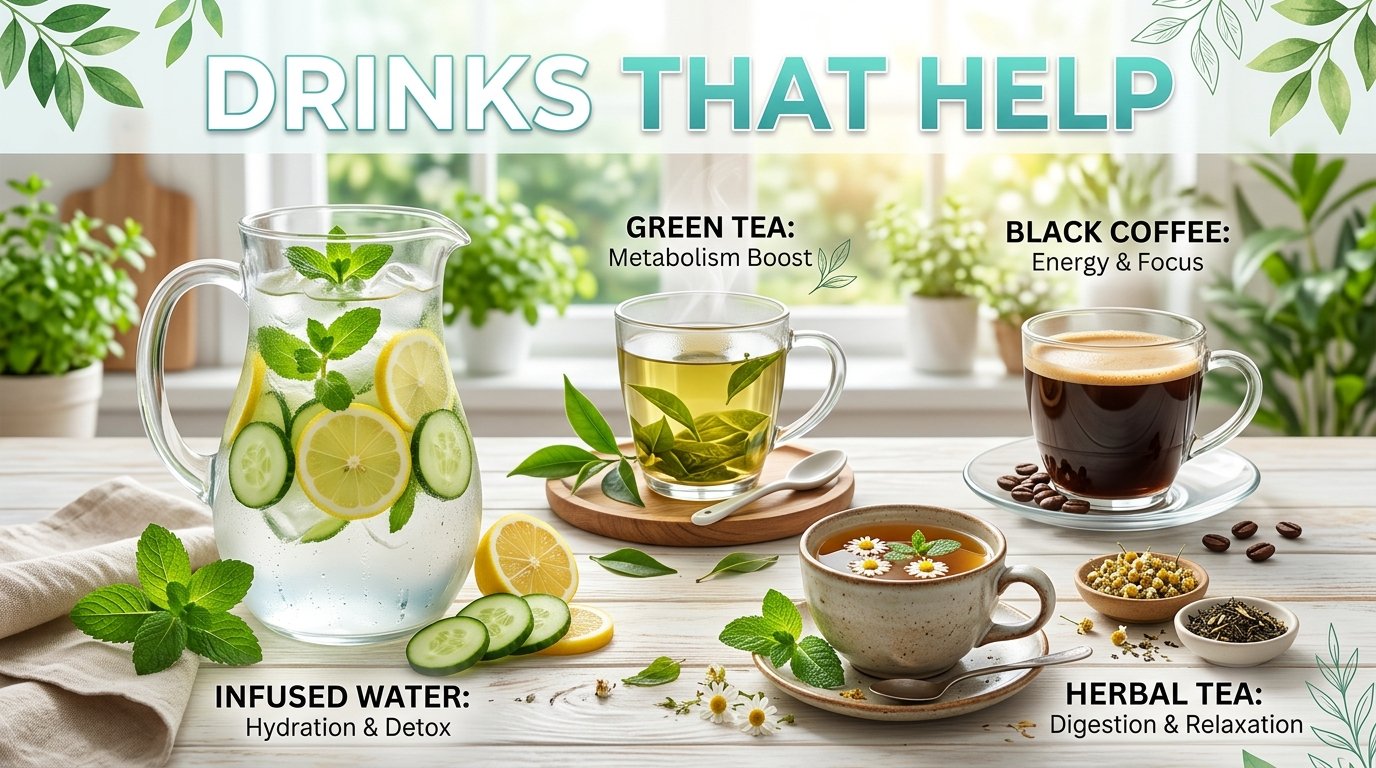
Beverages can quietly add or remove hundreds of calories each day.
- Water: The best calorie-free drink, and sometimes thirst feels like hunger.
- Green tea: Gentle caffeine and antioxidants.
- Black coffee: Zero calories when taken without sugar and cream.
- Lemon water: A tasty alternative to sugary drinks.
- Herbal tea: Mint, chamomile, or fennel offer flavor without calories.
- Vegetable soup: Warm, filling, and low in calories.
Flavor Boosters
These add taste without adding many calories.
- Ginger: Adds zing and supports digestion.
- Garlic: Rich flavor for almost every savory dish.
- Cinnamon: Adds sweetness without sugar.
- Turmeric: Used widely in cooking for color and flavor.
- Cayenne pepper: Brings heat that makes meals more satisfying.
- Mint: Fresh and perfect in drinks, raita, and salads.
- Apple cider vinegar: Useful in dressings, in small amounts.
Quick Reference Table
| Goal | Best Choices |
|---|---|
| Stay full longer | Oats, lentils, eggs, Greek yogurt |
| Low-calorie volume | Cucumber, cabbage, spinach, watermelon |
| Lean protein | Chicken breast, fish, tofu, egg whites |
| Healthy snacks | Apples, almonds, popcorn, carrots |
| Sweet cravings | Berries, guava, pomegranate, papaya |
How to Build a Balanced Plate
A simple formula works for most meals:
- Half the plate: Vegetables or salad.
- A quarter: Lean protein such as fish, chicken, eggs, or lentils.
- A quarter: Whole grains or starchy vegetables.
- A small portion: Healthy fat like nuts, seeds, or olive oil.
For breakfast, try oats with berries and chia seeds, or eggs with vegetables. At lunch, a lentil or chickpea bowl with salad works well. For dinner, grilled fish with sautéed greens and quinoa is a solid choice. Snacks can be fruit with yogurt or a handful of nuts.
Tips for Lasting Results
- Plan meals so you are not tempted by fast food.
- Eat slowly. Fullness signals take about 20 minutes to reach your brain.
- Read labels and watch for hidden sugar in sauces and “healthy” snacks.
- Cook at home with less oil and more vegetables.
- Sleep well and stay active. Poor sleep increases hunger.
- Be patient. Steady, gradual loss is easier to maintain.
Frequently Asked Questions
Can one food burn belly fat?
No. Fat loss happens across the whole body when you maintain a healthy overall eating pattern and stay active. Foods like green tea or ginger may support the process, but they are not magic solutions.
Should I avoid carbs completely to lose weight?
Not necessarily. Whole-grain carbs like oats, brown rice, and legumes provide fiber and energy. Cutting back on refined carbs and sugary foods is usually more sustainable than eliminating carbs.
Are nuts bad for weight loss?
No, but they are calorie-dense. A small handful a day is a good portion and offers healthy fats and protein.
How fast can I lose weight safely?
Many health experts suggest a gradual pace, around 0.5 to 1 kg per week, is realistic for most people. Very fast loss is harder to maintain.
Can vegetarians follow this list?
Absolutely. Lentils, beans, tofu, tempeh, eggs, dairy, nuts, and seeds all supply plenty of protein.
Do I need supplements?
Most people do well getting nutrients from a varied diet. If you suspect a deficiency, speak with a healthcare professional first.
Conclusion
Weight loss is not about eating less of everything. It is about eating smarter. By filling your plate with vegetables, fruits, lean proteins, whole grains, healthy fats, and flavorful herbs and spices, you can feel satisfied while moving toward your goals. Start by adding a few foods from this list each week, and build habits that last.
Name: Enchant.
